General Liability for PDR
General Liability for PDR in the USA: Your Key to Peaceful Operations
General Liability for PDR in the USA: Your Key to Peaceful Operations
What is Paintless Dent Repair (PDR)?
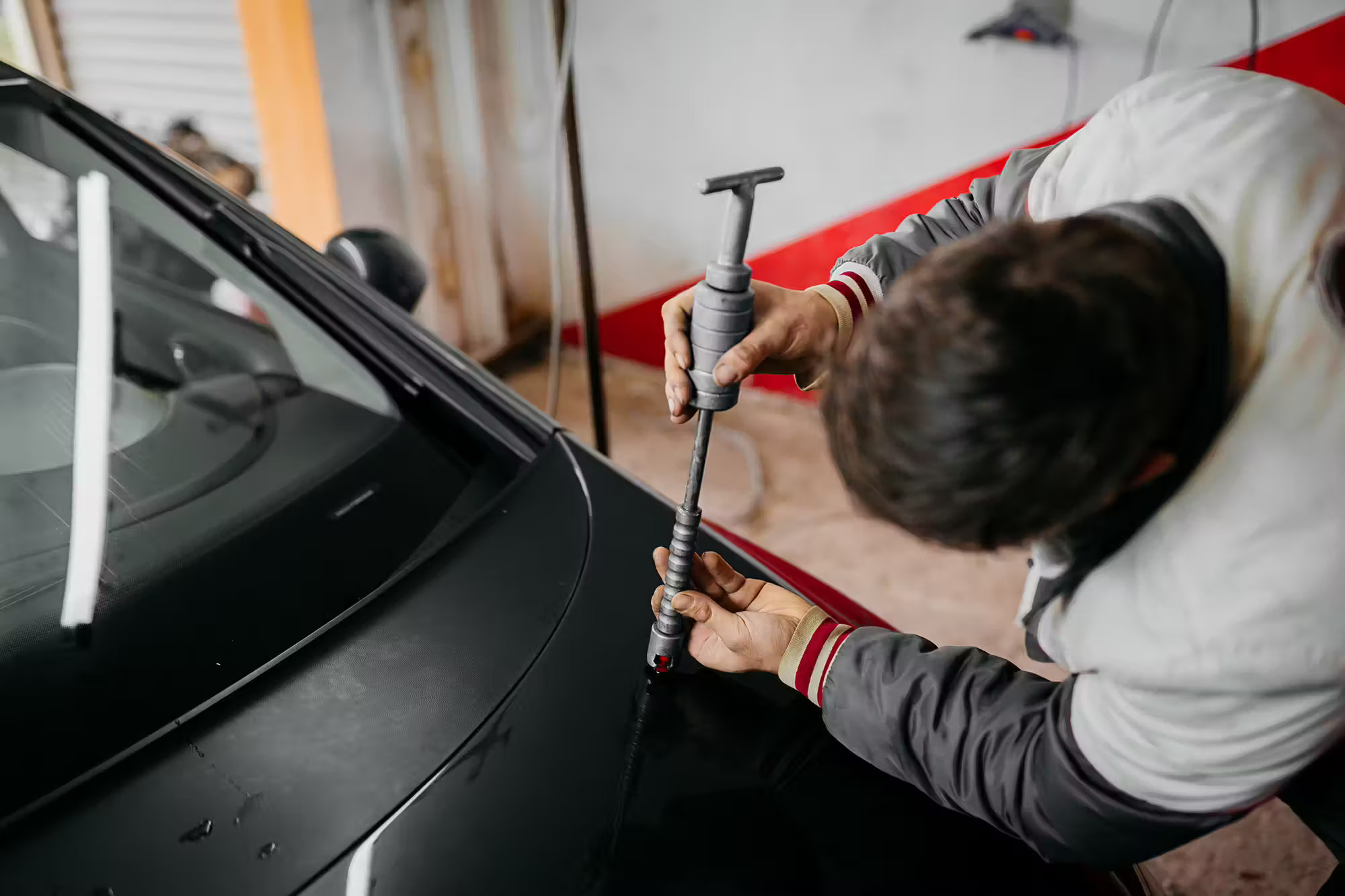
Paintless Dent Repair, or paintless dent removal, is the art of restoring a car’s body without using paint or filler. Imagine: a client accidentally gets a dent on their door from a shopping cart, or hail turns their car into a piece of abstract art. PDR specialists, like wizards, restore the vehicle to its original state using specialized tools to gently reshape the metal. This technique, which originated in the 1950s at a Mercedes factory, is now popular in the USA, especially among those who value time, money, and the car’s original finish.
Even PDR masters need protection to keep their business from getting a “dent” from unexpected incidents. This is where General Liability insurance steps in.
Why Do You Need General Liability Insurance for PDR?
General Liability (GL) insurance is your financial shield, protecting your business from third-party claims. Picture this: you accidentally scratch a client’s expensive car or drop a tool on someone’s foot. Without GL, such incidents could turn into lawsuits and hefty bills. This insurance covers property damage, bodily injuries, and even legal fees if a case goes to court.
Why Does the Government Require GL?
In the USA, many states and clients require General Liability for working in the PDR field. Without this insurance, you simply cannot legally operate, especially if you work with large auto dealers or insurance companies. It’s like trying to fix a car without a wrench—possible, but the outcome will be disastrous. The NAICS code for a PDR business is 811121 (Automotive Body, Paint, and Interior Repair and Maintenance), and this is how insurance companies classify your business. Without GL, you risk fines, lost contracts, and reputational damage.
Preparing for Insurance: Key Questions
Each insurance company asks its own questions to assess the risks of your business. However, there’s a standard set that comes up almost always. Prepare your answers in advance to ensure the process goes as smoothly as PDR on a small dent.
Key Questions for GL Application:
- Business Name
Provide the official name of your company as registered. For example, “DentWizard LLC”. - Gross Revenue
This is the total income of your business before expenses. An accurate figure is crucial, as insurers use it to calculate the premium. - Annual Income
Similar to the previous point, but it specifies your income for the year after expenses. - Business Operating Address
Where do you work? This could be your workshop or home if you operate from there. - Mailing Address
Indicate where the insurer should send documents. This may differ from your business address. - How Do You Operate?
Do you work from home, at one location, or travel to clients? Mobile PDR businesses may face higher rates due to additional risks. - How Close Is a Fire Hydrant to Your Business?
The distance to a hydrant affects fire risk. The closer, the better for insurance. - How Close Is a Fire Station to Your Business?
Proximity to a fire station reduces fire damage risks, potentially lowering your policy cost. - How Many Employees Does Your Business Have?
Specify the number of employees, including yourself. A larger workforce may increase the premium due to higher risks. - Information About Business Owners
Insurers want to know who manages the company. Provide names, experience, and possibly insurance claim history. - FEIN or SSN
FEIN (Federal Employer Identification Number) is needed for businesses, while SSN (Social Security Number) is for sole proprietors. This helps the insurer identify you.
How to Answer Insurance Company Questions?
To get a favorable rate, it’s important to answer the insurer’s additional questions correctly. Here are key questions with recommendations on how to respond, along with their impact on insurance costs:
- Have you had continuous insurance coverage for the same exposures requested over the past three years?
If you lack continuous coverage, it may signal a new business, sometimes increasing the premium due to no insurance history. Be honest—insurers verify data. - Do you have continuous liability coverage?
If you already have GL, it shows stability and may lower the policy cost, as the insurer sees you managing risks. - Have any insurance claims been filed in the past three years or since the business started?
Recommended Answer: No
No claims are a plus. If there were claims, the insurer may raise the premium, considering you a higher-risk client. - Have any policies been declined, canceled, or nonrenewed in the required number of years?
Recommended Answer: No
A clean history builds trust with the insurer and can lower costs. Declines or cancellations may suggest business issues. - Is a Waiver of Subrogation required?
Recommended Answer: No
This means the insurer won’t seek reimbursement from third parties. Including it increases the policy cost, so add it only if necessary (e.g., per a large client’s demand). - Does the business service motorcycles, ATVs, semis, or agricultural equipment?
Recommended Answer: No
Working with such equipment raises risks and costs. PDR typically focuses on passenger cars, keeping premiums lower. - Does the business sell any vehicles?
Recommended Answer: No
Vehicle sales add extra risks, increasing the policy cost. This is usually irrelevant for PDR. - Do you need a Blanket/Automatic Additional Insured form?
Recommended Answer: No
This form adds others (e.g., clients) as insured parties on your policy. It raises costs, so use it only if required by a contract. - Is Primary and Noncontributory wording required?
Recommended Answer: No
This makes your policy primary over others. It’s needed only for specific contracts and increases the premium.
Tip: Honest and accurate answers will help avoid issues with claims in the future. Lying or withholding facts could lead to denial of coverage when you need it.
Where to Get General Liability for PDR?
You can obtain a GL policy independently through several platforms. Here are some trusted options:
- Progressive Commercial
A reliable choice for small businesses with a user-friendly online interface. - The Hartford
Offers flexible policies for auto repair shops, including PDR. - Hiscox
Specializes in small business insurance with a focus on ease of application. - CoverWallet
A platform that compares offers from various insurers to find the best deal. - Insureon
A great option for finding a policy suitable for a business with NAICS code 811121.
These platforms allow online applications, but be prepared for the process to take time, especially if you have unique risks or are a new business.
Contact Us — Free Application and Consultation!
Why spend hours filling out forms and comparing policies when you can leave it to professionals? At Bensme, we offer free application of General Liability for your PDR business. Our experts will help you answer insurer questions, select the optimal policy, and save you money. We know how important it is for you to focus on dent removal, not paperwork.
Contact us today, and we’ll make the insurance process as smooth as a car body after your work! Your business deserves the best protection, and we’re here to provide it.

💼 Need help with LLC formation?✔
Besides bond applications, our team helps clients nationwide with registering LLC (Limited Liability Company). We handle everything: from filing documents in the right state to obtaining an EIN and preparing internal documentation.
If you’re starting a business or want to legitimize your current operations — we’ll help you do it right, fast, and without extra bureaucracy.
Contact us to learn more — we’re always available to support your business from the start!
Frequently Asked Questions (FAQ)
General Liability for PDR is an insurance policy that protects your paintless dent repair business from third-party claims, such as property damage or bodily injuries.